
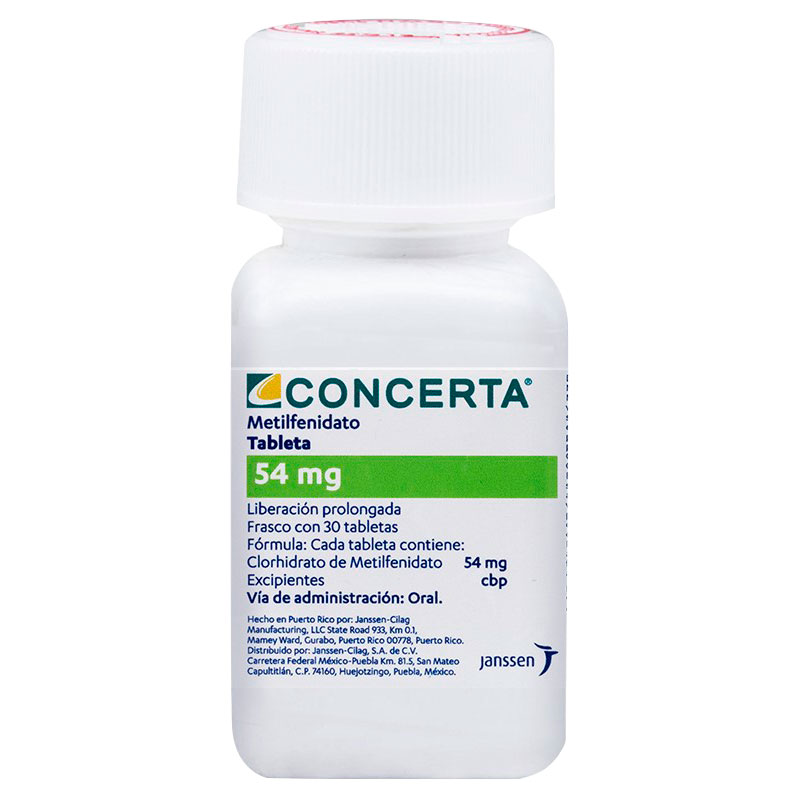
Buy Concerta 54 Mg online
$110.00 – $500.00
Buy Concerta 54mg online. High-dose extended-release methylphenidate for managing ADHD symptoms. Improves focus, alertness, and daily functioning. Secure, discreet delivery.
Product Detail
What is Concerta used for?
Concerta (methylphenidate) is a stimulant in the central nervous system. It affects chemicals in the brain and nerves that contribute to hyperactivity and impulse control. Methylphenidate prolonged release is used for the treatment of Attention Deficit Hyperactivity Disorder (ADHD) and narcolepsy.
1. How to use Concerta
Before taking the medicine, carefully read the instructions for use of the medicine provided by the pharmacist. If you have any questions about your medicine, ask your doctor or pharmacist right away. Do not self-medicate without consulting your doctor or pharmacist.
Concerta is to be taken by mouth and as directed by your doctor, usually once a day in the morning. If you take this medicine late in the day, it may cause trouble sleeping.
You need to swallow the tablet whole with a full glass of water (8 ounces/240 ml). Do not crush or chew the medicine. Because doing so would release all of the medication at once, increasing the risk of side effects. You should only split the tablets when they are marked and told to do so by your doctor or pharmacist.
Take Concerta regularly as directed by your doctor or pharmacist to get the most benefit from it. To help you remember and not miss a dose, take it at the same time each day.
Dosage is based on your medical condition and individual response to treatment. Your doctor will instruct you to gradually increase or decrease the dose of the drug as appropriate. Absolutely do not arbitrarily increase / decrease the dose or stop the drug without consulting the doctor / pharmacist.
In the event that you suddenly stop taking Concerta, you may experience serious symptoms such as: depression, suicidal thoughts or other mental/mood changes. If you have been using methylphenidate for a long time or in high doses, tell your doctor or pharmacist right away. To avoid serious symptoms, your doctor may reduce your dose slowly.
Although Concerta works for many people, it can sometimes be addictive. If you have a stimulant use disorder (such as drug/alcohol abuse or addiction), your risk of addiction is increased. Take medication exactly as prescribed by your doctor to reduce the risk of addiction.
During the time you use the drug, if your condition does not improve or worsen, please report it to your doctor/pharmacist to promptly adjust the treatment regimen accordingly.
| Quantity | 1 bottle, 2 bottles, 5 bottles |
|---|
Be the first to review “Buy Concerta 54 Mg online”
Related products
STIMULANTS

Accessories
STIMULANTS

STIMULANTS
STIMULANTS

PAIN RELIEF
STIMULANTS

STIMULANTS
Reviews
There are no reviews yet.